
Can I Drive Clients in My Personal Car
Yes, but only if your insurer knows you carry clients, because a personal policy alone often won't cover that trip.
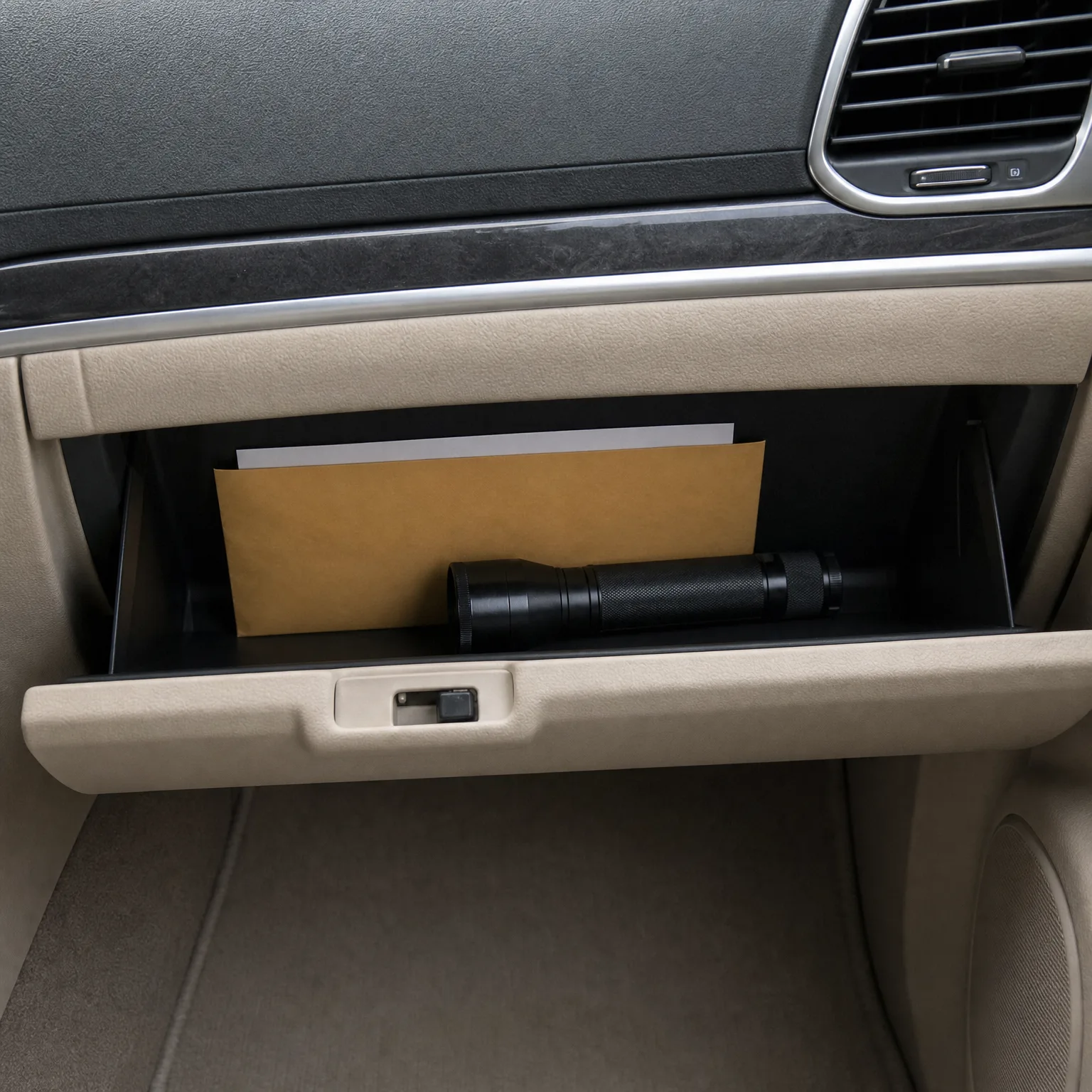
What to sort out before you carry a client
- Tell your insurer now Call and describe exactly what you do, including that clients ride along. Don't wait for a claim to find out your policy wasn't rated for this.
- Ask about livery exclusions Many personal policies exclude carrying people for a fee or as part of your job, even if you don't charge them directly. Ask your insurer in plain words whether what you do counts.
- Check your employer's coverage Some employers add coverage for employees who transport clients or patients. Get this in writing instead of assuming it exists or that it covers you personally.
- Know commuting vs. business use Driving to work is commuting. Driving a client between appointments is business use, and insurers treat them differently. Make sure your policy reflects what you actually do most days.
- Ask about a business-use add-on If you regularly carry clients, a personal policy may not be enough no matter what you tell them. Ask specifically whether you need a business-use endorsement or a separate commercial policy.
A home health aide who started carrying a patient to appointments
An aide had always driven alone between patient homes, something her insurer already knew about and had rated as business use. When a patient's family asked her to drive the patient to a specialist appointment, she didn't think to mention it was now a different situation. She assumed that because her car was already insured for work driving, carrying a passenger for work purposes was covered the same way.
A few months later she rear-ended someone while the patient was in the car. The claim adjuster asked directly whether she was transporting someone as part of her job, and she said yes without realizing that answer mattered. Her insurer reviewed the policy and found it was rated for business driving but not for carrying passengers, which was a separate detail they needed to know. The claim was delayed for weeks while this got sorted out, and she ended up adding an endorsement afterward that specifically covered carrying patients. Nothing was denied in the end, but she said she would have called first if she'd known passengers changed the answer.

Telling your insurer you carry clients
If you do
Your insurer rates your policy correctly for what you actually do. If something happens while a client is in the car, you already have an answer instead of a dispute. It may cost more, but you know where you stand before anything goes wrong.
If you don't
Your insurer finds out during a claim instead of before one. If they decide the trip wasn't covered the way your policy was written, they can deny the claim or delay it while they investigate. You're left defending your coverage at the worst possible time.
Once you know whether you need business-use or commercial coverage, compare quotes that actually match what you drive.

Does my employer's insurance cover me if I'm at fault with a client in the car?
Sometimes, but you shouldn't assume it does just because you're doing work for them. Some employers carry hired and non-owned auto coverage that protects you while you're driving your own car for work, including when a client or patient is with you. Others carry nothing at all and expect your personal policy to handle everything.
Ask your employer directly whether this coverage exists and ask to see it in writing, not just hear that it does. Find out whether it covers you personally or only protects the company if you're sued. If there's a gap, that's exactly when a business-use endorsement on your own policy matters most, because it fills the space your employer's coverage doesn't reach.

The passenger changes everything, so tell your insurer the moment you start carrying clients.