Can I Use My Private Car for Business
Yes, you can use your private car for business, but your standard personal policy likely stops covering you once you do.
Personal policies are priced for commuting, not for business errands
Your personal car insurance is built around a specific picture of how you drive: home, work, errands, the occasional road trip. Insurers price that risk based on predictable patterns. The moment you start driving between client sites, patient homes, or job locations as part of your actual work duties, you've stepped outside that picture, even though you're in the same car with the same policy.
This matters because insurers draw a real line between commuting and business use. Commuting means driving to a fixed workplace. Business use means the driving itself is part of the job, visiting multiple locations, carrying tools or equipment, transporting clients or patients. If your policy only lists commuting and you're actually doing business use, a claim during a work trip can be investigated differently or denied, because the risk you're insured for isn't the risk that caused the accident.
Your employer's insurance, if they have any, usually covers their own liability and sometimes reimburses mileage, but that doesn't automatically protect you or your car. Employer coverage and your personal coverage are separate contracts with separate gaps. Reimbursement for gas and wear isn't the same as insurance protection, and employers aren't required to extend their policy to your personal vehicle just because you used it for work.
What changes the answer is how often and how central the driving is. Someone who occasionally drives to a different office might still fall under commuting rules. Someone who drives to multiple client or patient locations daily, or carries passengers or equipment as part of the job, usually needs business use coverage or a commercial policy. This varies by insurer and state, so check your policy's definitions and ask directly rather than assuming.
What to check before you drive for work again
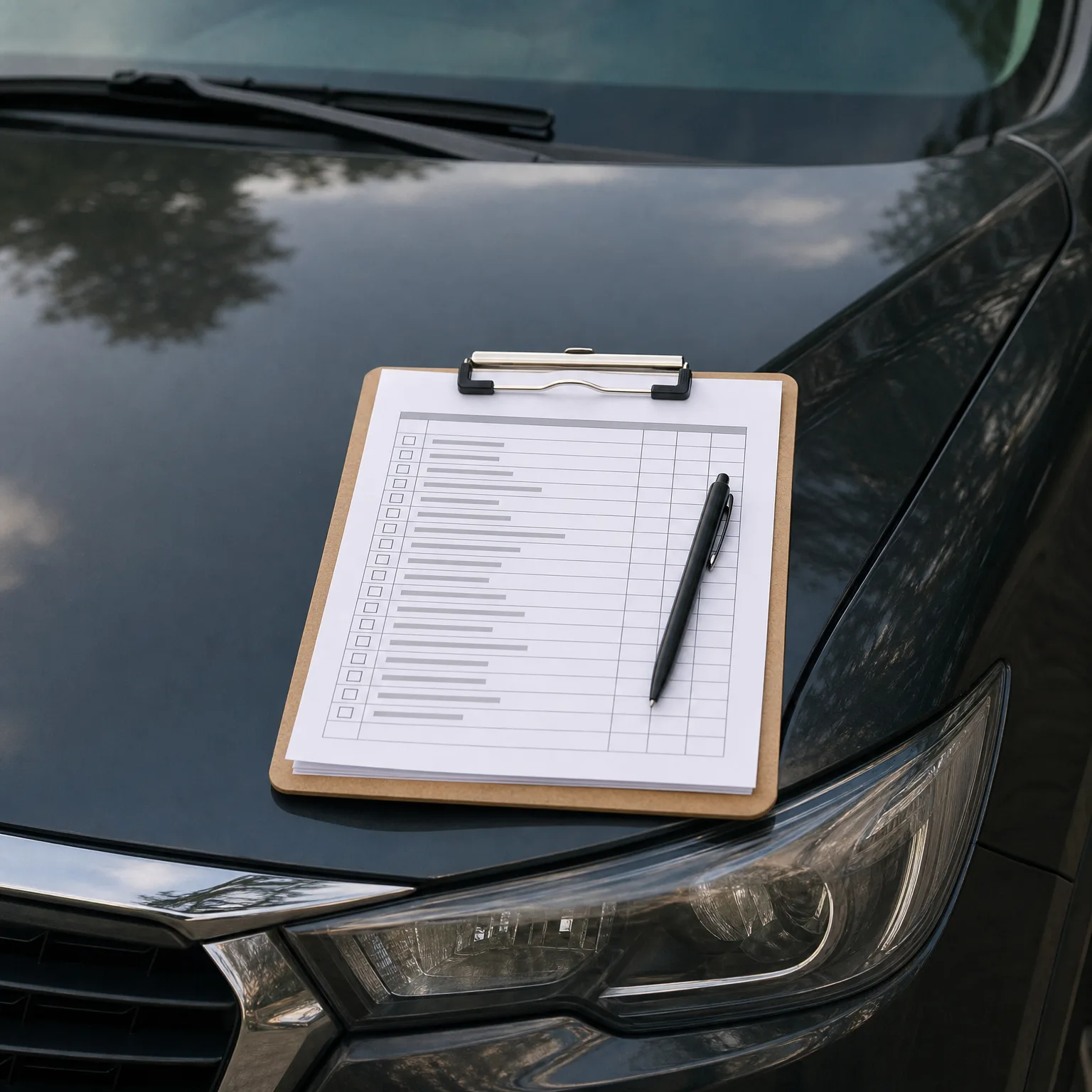
- Read your policy's use category Find the line that says how your car is rated, commuting or business use. If it only says commuting, your work trips may not be covered as you assume.
- Call your insurer before a claim Ask directly whether your driving pattern counts as business use. Getting this answer before an accident protects you far more than finding out during a claim.
- Ask what your employer covers Find out if your employer's insurance extends to you personally or only protects the company. Many employer policies don't cover your own vehicle at all.
- Flag transporting clients If you drive clients or patients, say so explicitly when you talk to your insurer. This changes the risk picture and may require a different type of coverage.
- Get it in writing Once you know what's covered, ask your insurer to confirm it in writing or in your policy documents. A verbal assurance won't help you during a dispute.

Telling your insurer you drive for work
If you do
You tell your insurer your real driving pattern. They adjust your policy or point you to proper coverage. Your premium may change, but if an accident happens during a work trip, you're protected and the claim goes through as it should, without a coverage fight.
If you don't
Your policy still says commuting only. If you're in an accident while driving to a client or patient, the insurer may investigate your actual driving pattern, find the mismatch, and deny or delay the claim, leaving you to cover damage and liability yourself.
Now that you know whether your driving counts as business use, compare quotes built for the coverage you actually need.
Does my employer's insurance cover me if I'm in an accident on the job?
Usually not fully, and you shouldn't assume it does. Employer insurance, when it exists, typically protects the company from liability claims made against it. It doesn't automatically mean your personal vehicle is insured, or that you personally are covered for injury or damage to your own car.
Some employers carry non-owned auto liability coverage, which protects them if you cause an accident in your own car while working, but this still may not pay for damage to your vehicle or your own injuries. Ask your employer directly what their policy actually covers, and get it in writing rather than relying on what you've been told informally. This is also something to mention to your own insurer, since your personal policy and any employer coverage need to work together, not leave a gap between them.

A home health aide driving between patient visits
Consider someone who visits three or four patients a day in their own car, driving between houses with medical supplies in the back seat. Their personal policy was set up years ago when they only drove to one office. They assumed reimbursement for mileage meant they were covered for anything that happened on the road.
After learning that business use and commuting are rated differently, they called their insurer and described their actual routine, multiple stops, supplies, and regular work driving. The insurer explained their policy only covered commuting and recommended adding business use coverage. They made the change, paid a bit more, and a few months later were rear-ended while driving to a patient's home. Because their policy now matched their real driving, the claim was processed without dispute, and they didn't have to argue about whether the trip counted as work or personal.
What is the difference between commuting and business use on a car insurance policy?
Commuting means driving to and from one regular workplace, while business use means the driving itself is part of your job duties, like visiting multiple clients or patients. Check how your policy defines each term, since insurers vary. If your job involves regular stops beyond one location, business use likely applies, and the answer changes if your routine changes too.
Will my insurance go up if I add business use coverage?
It might, since you're asking to be covered for more driving and more risk, but the amount varies by insurer and how often you drive for work. Ask for a specific quote rather than guessing. What changes the answer is your driving frequency and whether you carry passengers, equipment, or valuable cargo regularly.
Do I need commercial auto insurance instead of a personal policy with business use added?
Not necessarily, since many people only need business use added to a personal policy rather than a full commercial policy. Commercial coverage usually becomes necessary when the vehicle is central to the business itself, like regularly transporting paying passengers or heavy equipment. Check with your insurer about where that line falls for your situation.