Carrying Equipment or Samples in Your Car
Carrying equipment or samples for work can push your trip past what a personal auto policy is built to cover.
A technician's loaded car after an accident
A field technician kept a rotating set of parts and diagnostic equipment in his trunk, worth more than a few thousand dollars on most days. He'd never mentioned this to his insurer because the car itself was still just his daily commuter vehicle. When another driver hit him at an intersection, the collision claim for the car moved forward normally, but the damaged equipment was a separate problem entirely.
His personal auto policy covered his vehicle, not the contents he used for his job. He had to find out from his employer whether their property coverage extended to equipment in an employee's personal car, and it turned out it didn't automatically. He ended up filing a claim through his own renters policy for some of the loss, and absorbing the rest himself. Afterward he asked his insurer directly whether his policy could be adjusted to reflect that he regularly carried business property, and learned that some insurers offer an endorsement for exactly this, while others simply exclude business property no matter what you add.
Does my employer's insurance cover equipment I carry in my own car?
Sometimes, but you can't assume it does. Employer coverage for property usually attaches to vehicles the employer owns or leases, not to a worker's personal car. Equipment you keep in your own trunk or back seat often falls into a gap where neither your employer's policy nor your personal auto policy is clearly responsible.
Ask your employer directly whether their property or inland marine coverage extends to tools, samples or inventory while they're in an employee's personal vehicle. Get the answer in writing if you can. If the answer is no or unclear, ask your own insurer whether a personal property endorsement or a business use addition on your auto policy would cover it, since this varies by insurer and by state.
The value in your trunk needs its own answer. Don't assume your car insurance or your employer's covers it.
Once you know how your equipment and vehicle use need to be covered, compare quotes built around that answer.
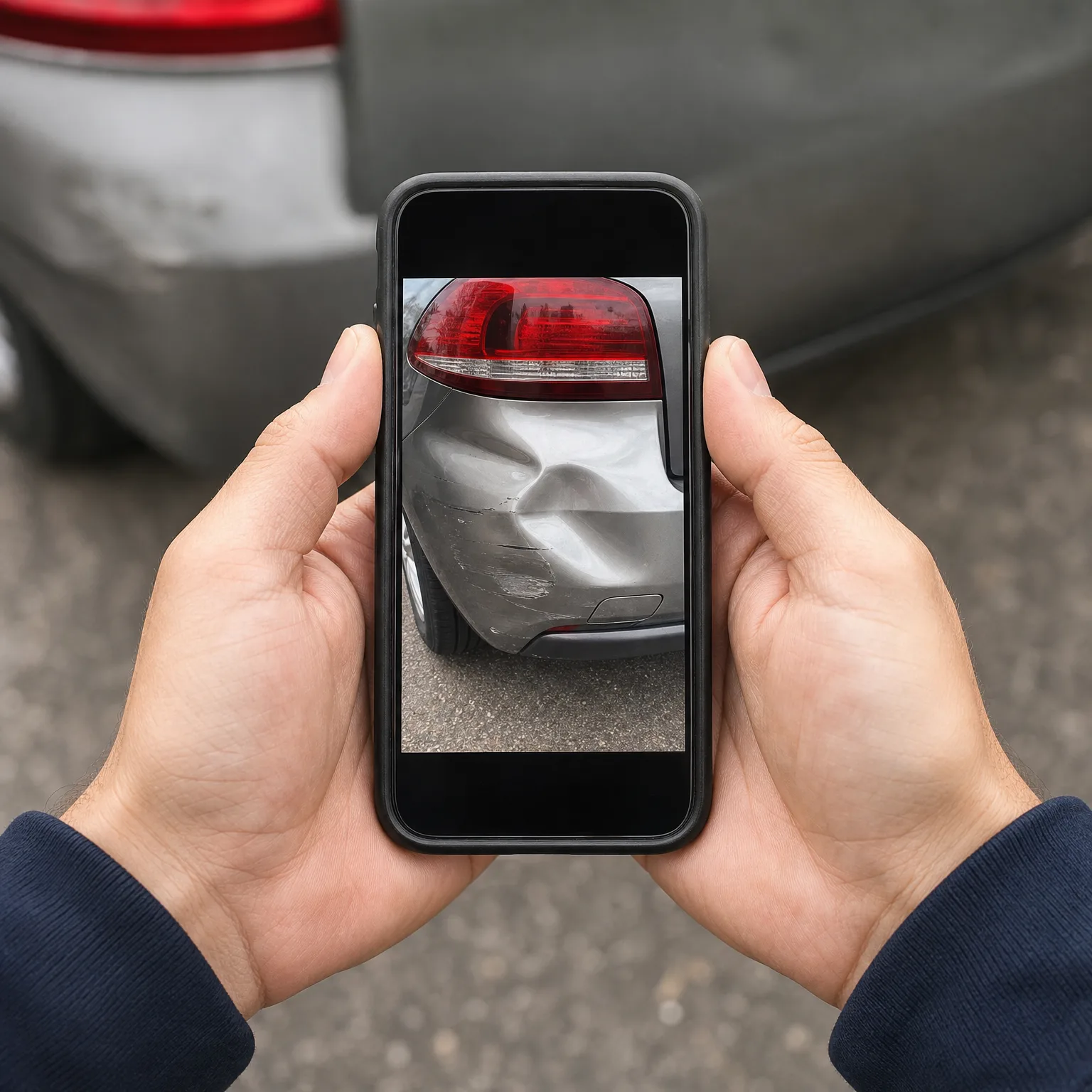
What to sort out before something goes wrong
- Declare the business use If you regularly drive with work equipment or samples, tell your insurer how the car is actually used. An undisclosed pattern of business use can affect a claim later.
- Ask about a property endorsement Some insurers let you add coverage for business property carried in a personal vehicle. Ask specifically, since it isn't automatic and isn't offered everywhere.
- Get employer's answer in writing Ask your employer whether their insurance covers equipment or inventory while it's in your personal car. A verbal assurance isn't something you can rely on during a claim.
- Separate the two claims Damage to your vehicle and damage to what's inside it are usually two different claims, possibly with two different insurers. Know ahead of time who you'd call for each.
- Keep a record of what you carry A simple list or photos of the equipment or samples you typically transport makes any future claim faster and harder to dispute. Update it when what you carry changes.

Does homeowners or renters insurance cover work equipment in my car?
Often yes, up to a limit, since personal property coverage on these policies can extend to items outside the home, including a vehicle. But check for a business property exclusion or a lower sublimit for items used for work, since many policies treat business property differently than personal belongings. If the equipment belongs to your employer rather than you, this coverage usually doesn't apply at all, and you'd need to look at your employer's policy instead.
What if my car gets broken into and my work samples are stolen?
That's typically a theft claim against whichever policy covers the property, not your auto policy, since comprehensive auto coverage protects the vehicle itself, not unattached contents. Check whether your renters, homeowners or a business property endorsement applies to theft from a vehicle. Also tell your employer immediately if the samples or inventory were theirs, since they may have their own claims process and reporting deadline.
Do I need a commercial auto policy just because I carry tools or samples?
Not necessarily, since carrying equipment alone doesn't always require commercial coverage. What matters more is how the car is used overall, how often, how far, and whether transporting goods is central to your job. Ask your insurer directly whether your pattern of use fits within a personal policy with an endorsement or crosses into territory where commercial coverage becomes necessary.