Do Real Estate Agents Need Commercial Auto Insurance
Most agents don't need a commercial policy, but you must tell your insurer you drive for business so client rides are covered.

An agent driving a buyer to three showings
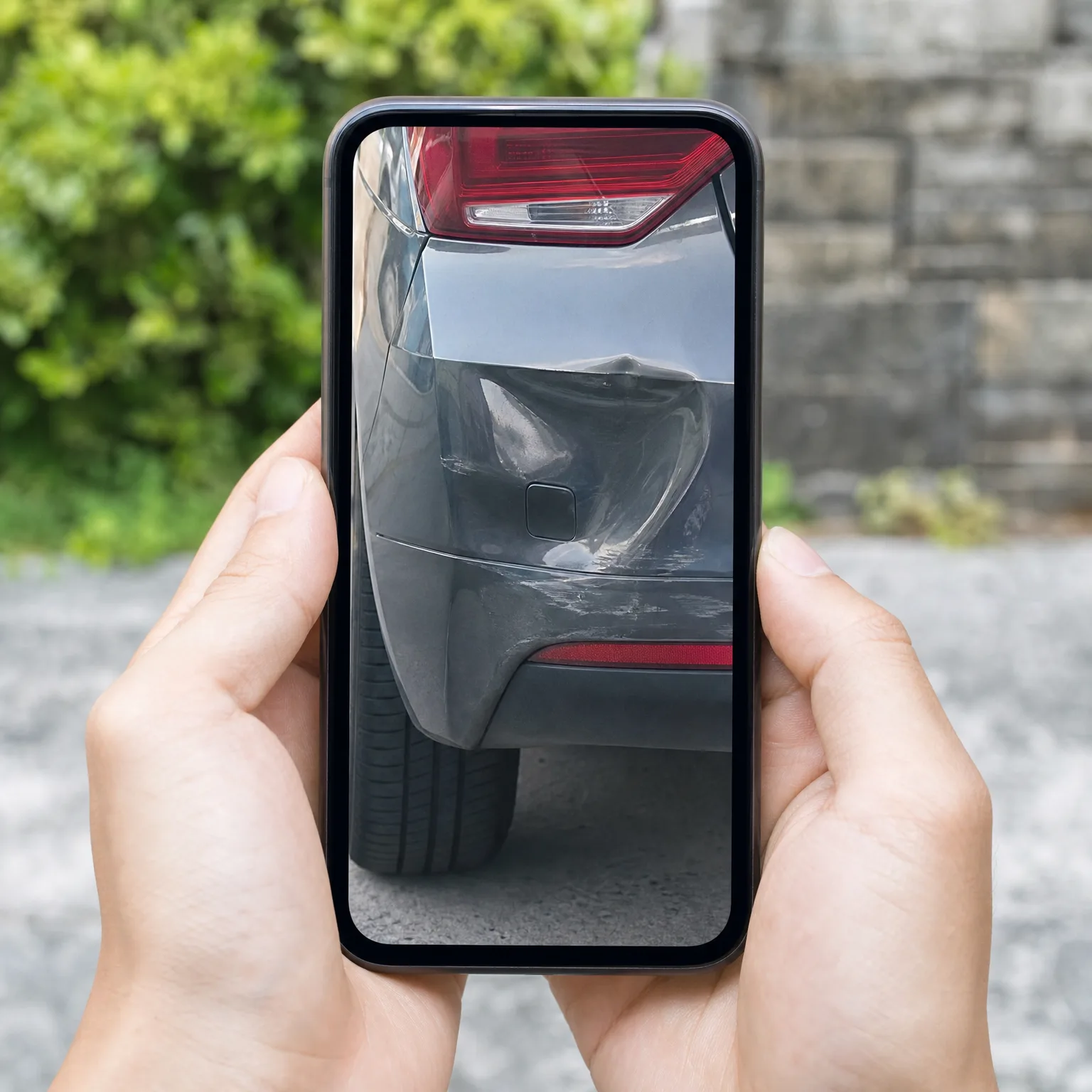
An agent had a personal auto policy rated for commuting only. She regularly drove clients to showings, sometimes two or three a day, and had never mentioned this to her insurer. One afternoon she rear-ended another car while a client sat in her passenger seat. The client wasn't hurt, but the other driver's car needed repairs, and the claim raised a question nobody had asked before: was this trip business use?
Her insurer reviewed the policy and found she hadn't disclosed business use, even though she wasn't required to carry a commercial policy for this kind of driving. The claim was still paid, but the insurer flagged the account and adjusted her rate going forward to reflect how she actually used the car. She called a few insurers afterward, told them clearly that she drives clients as part of her work, and found one that added the right endorsement without pushing her into a commercial policy she didn't need. The fix wasn't a different kind of coverage. It was telling the truth upfront about how she drove.
The short version
Most agents need a personal policy with a business-use endorsement, not a commercial policy. The reason is you're transporting clients and driving between properties, which counts as business use even without a company car. Tell your insurer exactly how you use your car and ask for that endorsement by name.
Does my policy still cover me if I never disclosed driving clients?
It might, but you're taking a real risk. Insurers rate personal policies based on how you told them you'd use the car, and if a claim happens during an undisclosed business trip, the insurer can investigate and decide the loss falls outside what you were covered for. Some will still pay and adjust your rate afterward. Others may deny the claim or cancel the policy if the gap between what you said and how you actually drove is large enough.
The outcome depends heavily on your specific insurer and the details of the trip, so there's no single answer that applies to everyone. What's certain is that disclosing business use upfront costs you far less than discovering a denial after an accident. A short phone call now, describing exactly how often you drive clients and for what purpose, replaces that uncertainty with an actual answer.
Now that you know what coverage fits how you drive, compare quotes that include the right business-use endorsement.
Why personal coverage with the right endorsement usually does the job
Insurance is priced on risk, and risk is tied to how a car gets used, not just who owns it or what job the driver has. A personal auto policy assumes you're driving to work, running errands, and taking occasional trips. The moment you're regularly transporting clients or driving between properties as part of earning your income, you've shifted the risk profile, even though you're still driving your own car for your own business.
Commercial auto insurance exists mainly for situations where a vehicle is central to a business in a bigger way, think delivery vehicles, fleets, or cars owned by a company rather than an individual. Most real estate agents don't fit that picture. You're usually still the sole driver of your own personal vehicle, just using it for work-related trips in addition to personal ones. That's exactly the situation a business-use endorsement is built for. It tells the insurer plainly that you drive for work purposes and adjusts your coverage and rate to match that reality.
Where this gets more complicated is if your brokerage requires you to carry higher liability limits, or if you occasionally drive a company-owned car, or if you transport clients so frequently and in such volume that your driving starts to resemble a livery or transport service. In those edge cases, an insurer might recommend added coverage layers or, rarely, a commercial policy. This is also an area where state rules and individual insurer underwriting standards genuinely differ, so what counts as enough disclosure and what endorsement options exist aren't universal.
The throughline is that coverage should match actual use. Guessing wrong in either direction, assuming you need nothing special or assuming you need a full commercial policy, either leaves you exposed or has you paying for protection you don't need. The only way to know for certain is to describe your actual driving to your insurer and let them tell you what fits.
What happens if I get into an accident while driving a client to a showing?
Your personal policy with a business-use endorsement should respond to the claim the same way it would for any other covered trip. Without that endorsement disclosed, the insurer may still pay but could flag the account or raise questions about whether the trip was covered. What changes the answer is whether you'd told your insurer in advance that you drive clients regularly, since that's the detail underwriters look for first.
Does my employer's insurance cover me if I'm driving my own car for work?
It depends entirely on what your employer or brokerage provides, and many provide nothing for your personal vehicle. Some brokerages carry supplemental liability coverage for agents, but that typically doesn't replace your own auto policy. Check your brokerage's policy documents directly, and don't assume you're covered just because the work itself is sponsored by them.
Will adding a business-use endorsement raise my insurance rate?
Often yes, since it reflects added risk from more time on the road and more varied driving conditions. The amount depends on how often you drive for business and your insurer's specific pricing approach, which varies. It's still usually far cheaper than a commercial policy, and it protects you from a denied claim, which costs far more than a modest rate increase.