Does an Employee Have to Pay for Damages
In most cases your own insurance pays for damage to your car first, and you don't personally owe money unless no policy covers the loss.
What decides whether you pay out of pocket
- Whose car you were driving If you were driving your own car, your personal policy is usually the first one to respond to damage. Check your declarations page to see what coverage you actually carry for collision and liability.
- Business use versus commuting A policy rated only for commuting can refuse a claim for business driving between clients or job sites. Call your insurer before an accident happens and tell them exactly how you use the car for work.
- Reimbursement isn't insurance Getting paid mileage does not mean your employer's insurance covers you in an accident. Ask your employer directly whether they carry any coverage for employees using personal vehicles.
- Gaps between policies If neither your personal policy nor your employer's coverage applies, you could be asked to pay for damage yourself. Look into a business use endorsement or commercial coverage to close that gap.
- Employer liability by state Some states hold employers partly responsible for accidents during work tasks, others don't extend that far. Check your state's labor and insurance rules, since this changes who you can turn to for payment.
A home health aide gets into an accident between patient visits
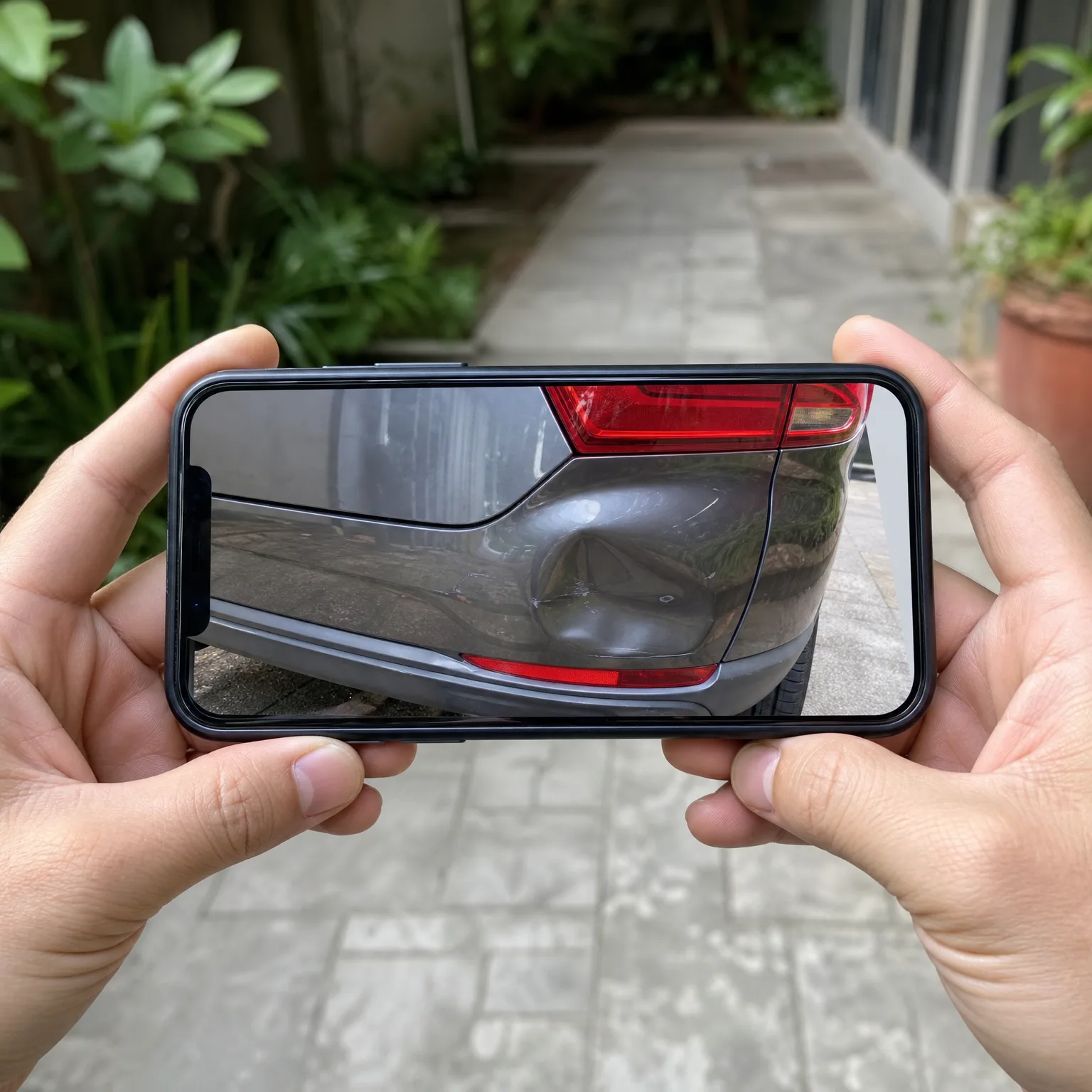
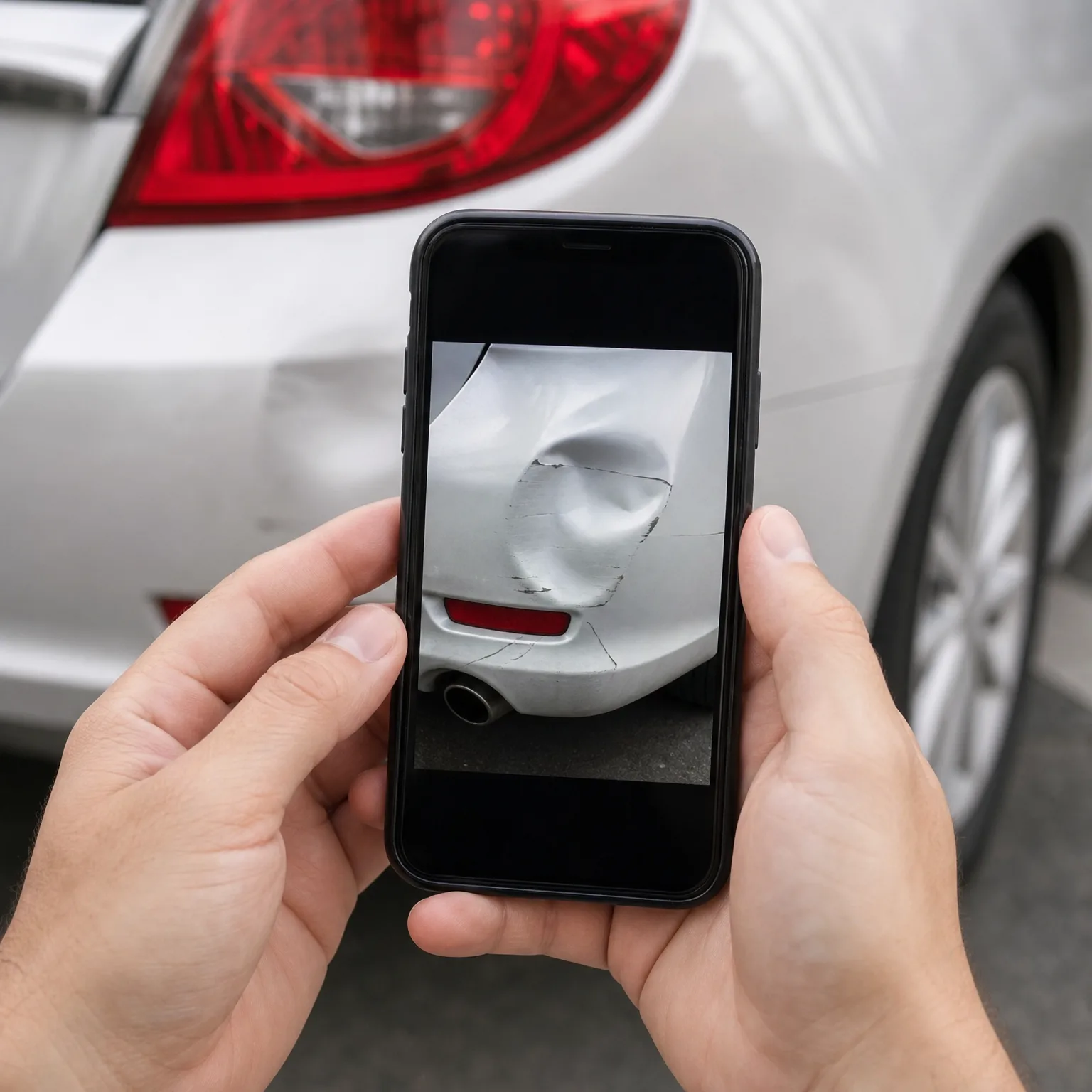
A home health aide named in this situation drives her own car between patient homes and gets reimbursed a flat rate for mileage. One afternoon she's rear-ended at a stoplight while heading to her next visit. She calls her personal insurer to file a claim, assuming it will be straightforward since the other driver was at fault.
Her insurer asks what she was doing at the time of the crash, and when she says she was driving between patients for work, they flag the policy as rated for commuting only. The claim stalls while they review whether business use voids her coverage. She calls her employer, who confirms they don't carry any insurance for employee vehicles and that the mileage reimbursement was only meant to cover gas and wear. Because the other driver was clearly at fault, his insurance ultimately pays for the damage to her car, so she doesn't end up paying out of pocket. But the delay and uncertainty push her to call her own insurer afterward and add a business use endorsement, so the next claim won't be questioned the same way.

Now that you know who pays first, compare quotes that include the business use coverage your work actually requires.
Why the answer depends on whose policy actually responds
Car insurance is built around the idea that one policy responds first to a loss, and that policy is usually attached to the vehicle rather than to the person driving it. When you drive your own car, your own policy is almost always the first one asked to pay, regardless of who you were working for at the time. This is why the word commuting matters so much on your policy. Commuting means driving to a fixed workplace, while business use means driving as part of doing your job, and insurers treat these very differently when a claim comes in.
Employers generally are not required to insure a vehicle they don't own, which is why mileage reimbursement and insurance are separate things. Reimbursement covers your cost of operating the car, not the risk of an accident. Some employers do carry a layer of liability coverage for employees driving on company business, often called hired and non owned auto coverage, but this is a business decision and not a guarantee, so you have to ask rather than assume.
When a gap exists between what your personal policy covers and what your employer provides, you are the one left exposed. This is the scenario where you could end up paying for damage yourself, especially if your policy excludes business use entirely and your employer carries nothing. Closing this gap usually means telling your insurer the truth about how you use the car and paying for the coverage that matches it, which is often far less costly than a denied claim.
State rules add another layer, since some states place more responsibility on employers for accidents that happen during work tasks, especially when the work itself created the risk. This doesn't erase the need for your own proper coverage, but it can affect who you're able to pursue if your own policy falls short. Because this varies, it's worth checking how your state handles vicarious liability for employers before you assume you have no recourse.
The real risk isn't the accident, it's a policy quietly rated for commuting while you drive for work.
Who pays if I get in an accident while driving for work in my own car?
In most cases your own personal auto insurance pays first, because the policy follows the vehicle rather than the purpose of the trip. If the other driver caused the accident, their liability coverage typically pays for your damage regardless of why you were driving. Your employer's involvement usually only matters if they carry separate coverage for employee vehicles, which many don't.
What changes this is whether your policy is rated for business use or only for commuting. If it's rated only for commuting and you were driving between clients or job sites, your insurer could deny the claim for using the car in a way the policy doesn't cover. This is why it matters to tell your insurer exactly how you use your car, so the policy you're relying on actually matches the driving you do.