Personal Vehicle Damaged While Working
Your own policy is usually the first to respond, but whether it pays depends on how your car use was rated and what your employer carries.
A home health aide's car is hit between patient visits
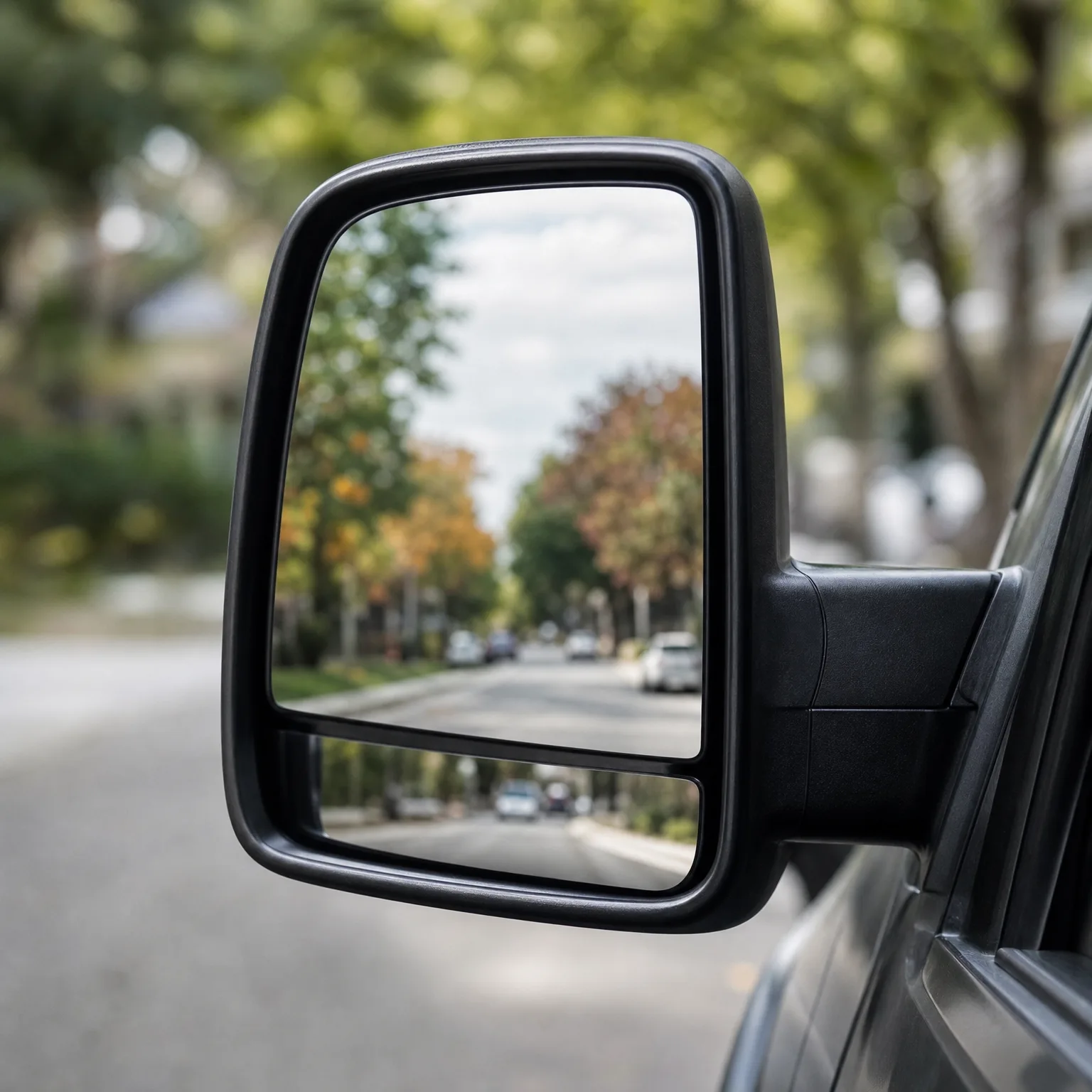
A home health aide drove her own car between patient homes all day, carrying a bag of supplies and a tablet for charting. Her employer paid a small per-mile reimbursement but never mentioned insurance. One afternoon, stopped at a light between visits, she was rear-ended. The other driver was at fault, but his insurer was slow to respond, so she filed with her own insurer to get her car fixed faster.
Her insurer asked what she'd been doing when the crash happened, and she said she was driving between patients for work. Because her policy listed her job and noted she sometimes drove for work errands, not just commuting, the claim moved forward without a fight. She later called her agent to confirm her policy would hold up if this happened again, and adjusted her coverage slightly once she understood how often she was actually on the road for work.
Does my employer's insurance cover my car at all?
Usually not for damage to your own vehicle. Most employers that have you use your personal car carry liability coverage that protects against claims from other people if you cause an accident while working, but that coverage typically doesn't pay to repair your car. Your own policy is what responds to damage on your vehicle, which is why your insurer needs to know how you actually use the car.
Some employers carry broader coverage, sometimes called hired and non-owned auto coverage, that can extend further. This varies a lot by employer and isn't something you can assume exists. Ask whoever handles benefits or HR directly whether any coverage applies to your vehicle, in writing if possible, rather than guessing based on what a coworker said.
The label on your policy, not what your employer promises, decides whether a work-related claim gets paid.
Once you know how your policy treats business driving, compare quotes that actually cover the way you drive for work.
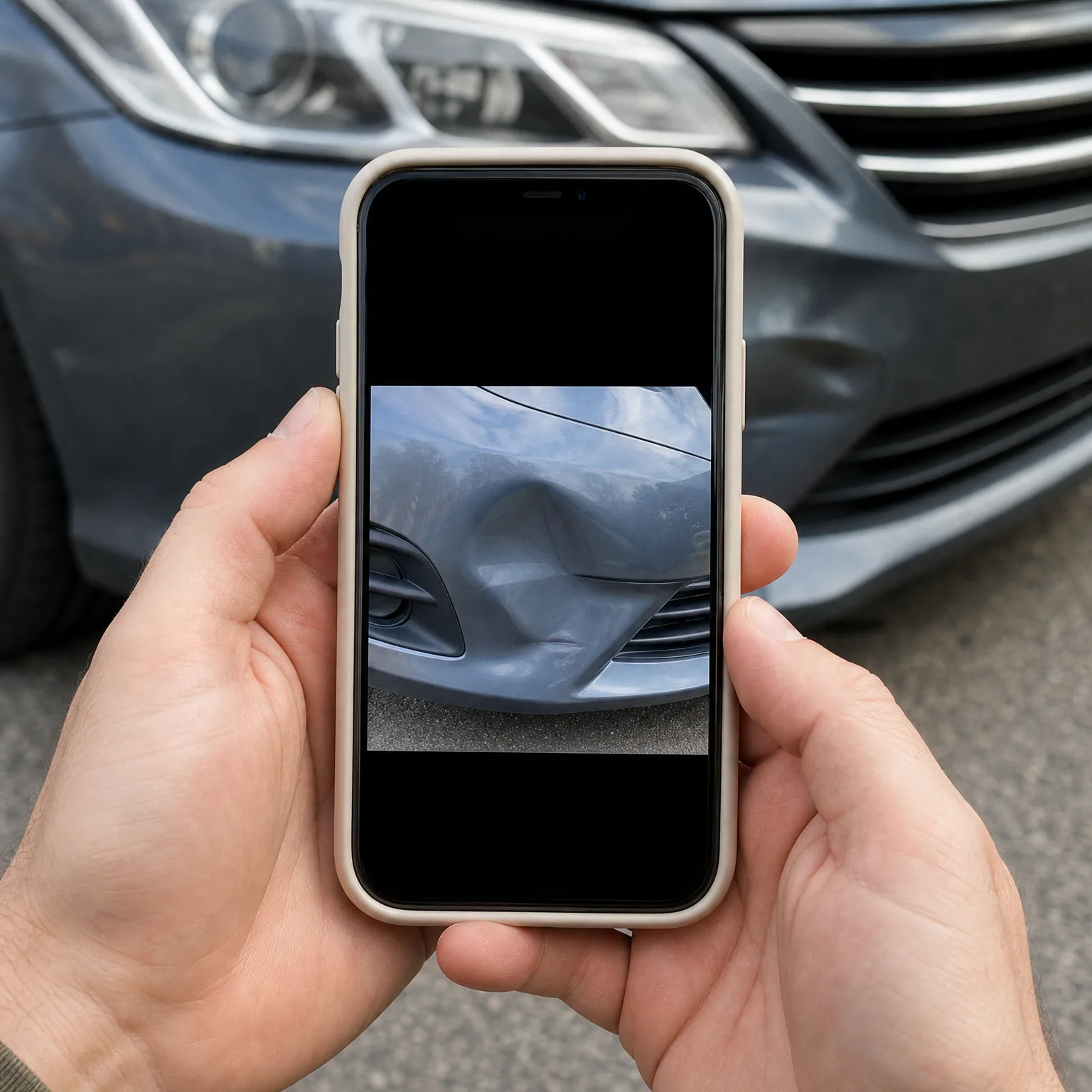
What to sort out before you need to file a claim
- Commuting versus business use Driving to one fixed workplace is commuting, but driving between job sites, clients or patients is business use. Tell your insurer which one describes you, since misclassifying it can get a claim denied.
- Ask your employer about coverage Find out if your employer carries any insurance covering your vehicle while you're working. Get the answer in writing rather than assuming it exists or that it protects you personally.
- Check if you need an endorsement Many personal policies allow business use with an added endorsement, instead of a full commercial policy. Ask your insurer directly whether your current driving pattern requires one.
- Know your real routine How often and how far you drive for work affects what coverage you need. Be honest with your insurer about your actual routine, not just an estimate.
- Carrying clients changes things If you transport other people as part of your job, that's a different risk than driving alone. Mention this specifically, since it can affect what coverage applies.
Why the answer depends on how the car is used
Insurance is priced around risk, and risk changes with how a car is actually used. A car driven to the same workplace each day is a known, fairly steady risk. A car driven to multiple locations, carrying tools, supplies or other people, is a different and often higher risk. Insurers want to know which one they're insuring, because the premium and the terms of the policy are built around that use.
This is why the line between commuting and business use matters so much. Commuting is usually built into a standard personal policy without any special mention. Business use often isn't automatically included, and some policies exclude it outright unless you've added an endorsement or told your insurer about it. If a claim comes in and the insurer discovers you were driving for work in a way your policy didn't account for, they may deny the claim or delay it while they investigate, even if the accident wasn't your fault.
Employers sit in a separate layer. Their insurance, if they have any that applies to employee vehicles, is generally meant to protect them and other people from liability claims, not to repair your car. That's a different pot of coverage serving a different purpose. Your own policy remains the primary way your vehicle gets fixed, which is why it needs to accurately reflect how you use the car.
Where this plays out differently is in how often and how far you drive, whether you transport others as part of the job, and what your state and insurer consider business use versus commuting. Some insurers are stricter than others, and some states have different default rules for personal auto policies. None of that changes the core logic, only the details, so the conversation to have is the same one everywhere, just confirmed with your specific insurer and state.