
What Is a Mileage Reimbursement
A mileage reimbursement pays back the cost of driving your own car for work, but it has no connection to whether you're insured.
It's a payment for wear and gas, not a layer of protection
A mileage reimbursement exists because your employer is asking you to use a personal asset, your car, for their business. The rate is meant to cover fuel, maintenance, depreciation and the general cost of putting miles on your vehicle. It's a financial arrangement between you and your employer, handled through payroll or expense reports, and it has no connection to any insurance policy.
That's the part people miss. Getting reimbursed for mileage doesn't mean your employer has insured the trip, and it doesn't mean your own insurer knows or cares that you're driving for work. Your personal auto policy is priced and written based on how you told your insurer you'd use the car. If you said commuting only, and you're actually driving to client sites, patient homes, or job sites throughout the day, that's a different use than what's on file.
This matters because insurers draw a real line between commuting and business use. Commuting is going back and forth to one regular workplace. Business use is driving as part of doing your job once you're already working, seeing multiple clients, carrying tools or equipment, or transporting people as part of your duties. Many personal policies limit or exclude business use, even though they'll cover commuting without question.
What changes the answer is how often and how extensively you drive for work. Someone who occasionally runs an errand for their employer looks different to an insurer than someone who drives between appointments all day, every day. The second case usually needs a specific endorsement or a commercial policy, regardless of whether reimbursement is happening. Check with your insurer directly and describe your actual driving pattern, not just your job title.

What a mileage reimbursement does and doesn't do for you
- It pays for costs, not risk The reimbursement covers gas and wear on your car. It does nothing to confirm you're covered if you're in an accident, so don't treat it as proof of insurance.
- Your policy may need an update If you regularly drive for work, tell your insurer how you actually use your car. They can tell you if your current policy already allows it or if you need an endorsement.
- Employer coverage is limited Some employers carry non-owned auto coverage, but it typically fills gaps, it doesn't replace your own policy. Ask your employer directly what, if anything, their policy covers for you.
- Carrying clients changes things If you transport clients, patients, or customers as part of your job, that's treated differently than driving alone. Ask your insurer specifically about this use, since many personal policies exclude it.
- Rate isn't a legal signal A generous or stingy reimbursement rate tells you nothing about your insurance status. Don't assume a higher rate means your employer has it handled.
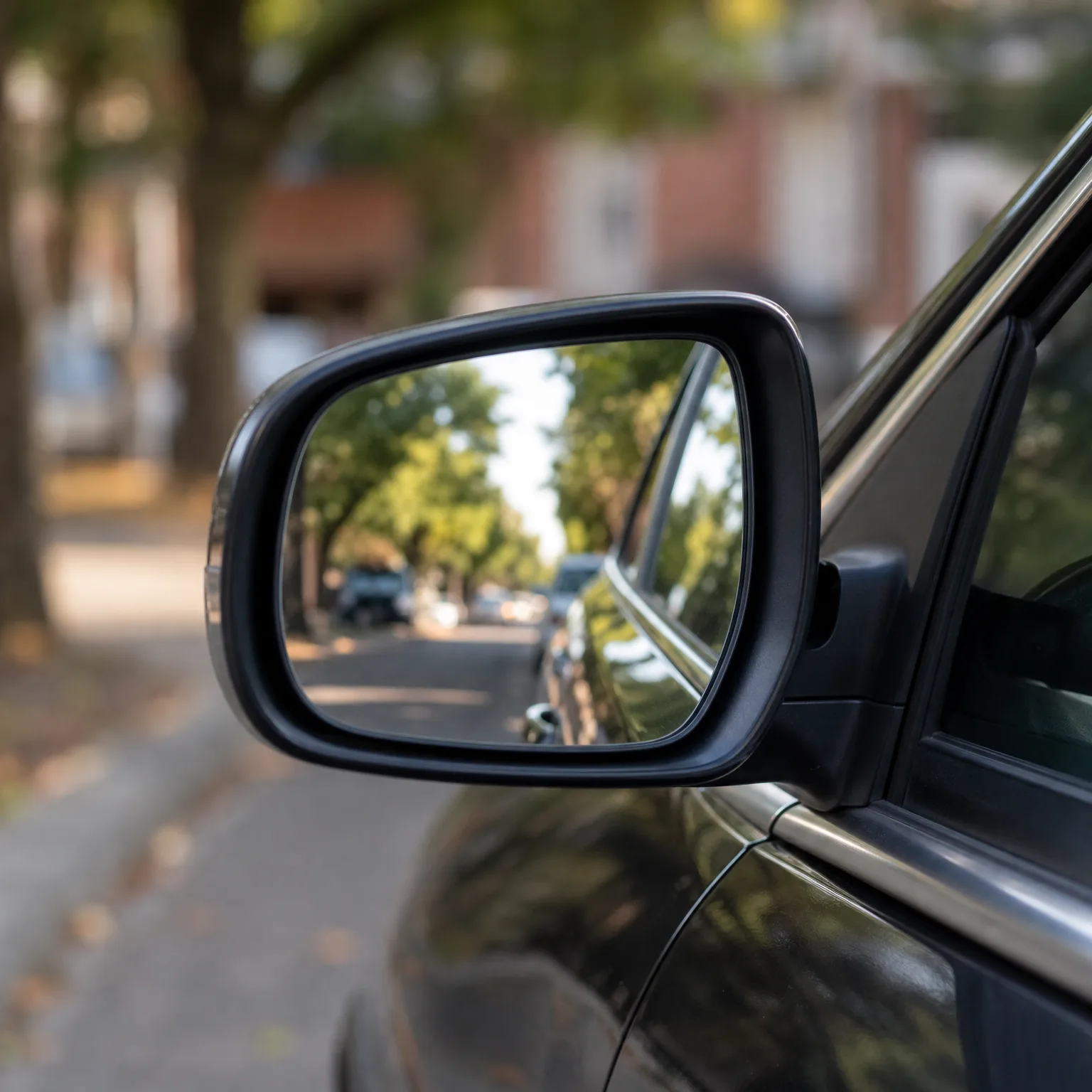
A home health aide figures out what her reimbursement actually covers
Maria drives her own car between patient visits, four or five stops a day, and her employer pays her a per-mile rate for the miles between appointments. She'd always assumed that payment meant she was covered if something happened on the road, since her employer clearly expected her to drive as part of the job. She'd never told her personal insurer about any of this, because her policy was still listed as commute-only from when she took the job.
She called her insurer and described her actual day, multiple patient stops, several miles between each, no single fixed workplace. Her insurer explained that this pattern counted as business use, not commuting, and her current policy wouldn't necessarily respond the way she assumed in a claim. She added a business use endorsement to her policy, which cost her a bit more but closed the gap. She also asked her employer directly whether their insurance offered her any protection beyond the reimbursement, and learned it was a non-owned auto policy that only applied after her own insurance paid out. Knowing that, she understood her own policy was her main protection, not a backup to anyone else's.
Once you know your mileage reimbursement isn't insurance, compare quotes that actually match how you drive for work.

Telling your insurer how you really use your car for work
If you do
You describe your actual driving, including client visits or multiple stops, and your insurer confirms your coverage or adds what's needed. It may cost a bit more, but a claim during a work trip won't come down to a definition fight. You know exactly where you stand before anything happens.
If you don't
Your policy stays listed as commute-only while you're actually driving for business most of the day. If you're ever in an accident between appointments, the insurer can look at the mismatch and question or deny the claim. You find out your real coverage status at the worst possible time.
Does my employer's insurance cover me if I crash my own car on the job?
Usually only in a limited way, and only after your own personal auto insurance pays first. Many employers carry what's called non-owned auto coverage, which exists to protect the company if an employee causes damage while driving their own car for work. It's built around the employer's liability, not around protecting you personally, and it typically sits above your policy rather than replacing it.
That means your own insurance is almost always the first line of coverage, and gaps there become your problem even if your employer has some policy in place. Don't assume a company policy means you're personally covered. Ask your employer directly, in writing if possible, exactly what their policy covers, whether it includes you as a driver, and whether it applies before or after your own insurance. Then make sure your own policy actually matches how you use your car for work, since that's the coverage you'll rely on first.
Reimbursement says nothing about being insured, so let your driving, not your paycheck, decide your coverage.