What Is Not Covered by Personal Auto Policy Liability
Personal auto liability usually stops covering you the moment the drive is for your employer's business rather than your own errands.
These situations commonly fall outside personal liability coverage
- Regular business driving If you drive between client sites, patients, or job locations as a normal part of your work, that pattern can fall outside what a personal policy was priced for. Tell your insurer how you actually use the car so they can confirm if that's true for you.
- Carrying people for your job Transporting clients, patients, or customers as part of your duties is different from giving a friend a ride. Ask your insurer directly whether passengers carried for business purposes are treated differently under your policy.
- Vehicle owned by your employer If the car itself belongs to your employer, your personal policy likely has little or nothing to do with that accident. Find out whose policy is primary before you ever need it, not after.
- Heavier use than you reported Policies are priced partly on how much and how often you drive for what purpose. If your real mileage or routine looks like constant business use rather than occasional errands, your coverage may not match your risk.
- Reimbursement isn't insurance Getting paid per mile from your employer has nothing to do with who pays after a crash. That payment covers gas and wear, not liability, so don't assume it means you're protected.
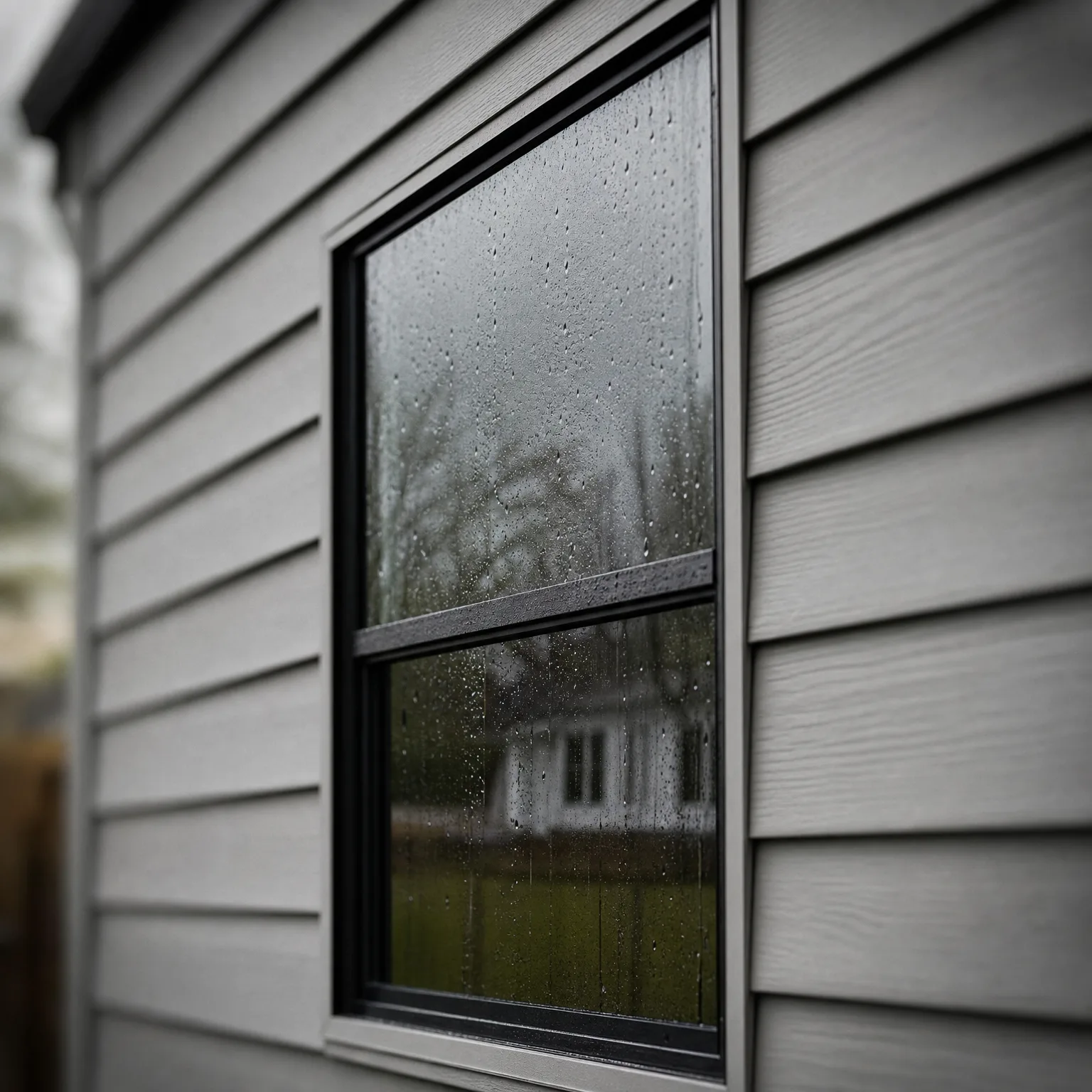
A home health aide driving between patient visits
A home health aide used her own car to drive between four or five patient homes a day, something her employer expected but never insured. Her personal auto policy was written assuming she commuted to one workplace and ran occasional errands, not that she was on the road most of the day for her job. She hadn't mentioned any of this when she bought the policy, mostly because no one had ever asked her to think about it.
After a minor accident in a patient's driveway, she called her insurer expecting a routine claim. Instead they asked detailed questions about why she was there and how often she made similar trips. Because the driving was frequent and tied directly to her job duties, her insurer flagged it as business use and said her current policy didn't anticipate that pattern. She ended up needing to add a business-use endorsement to keep her coverage accurate going forward. The claim was eventually resolved, but only after delay and extra scrutiny she could have avoided by disclosing her driving pattern when she first got the policy.

The real trigger isn't your job title, it's how often you drive and why, so describe that honestly.
Now that you know what your liability likely won't cover, compare quotes that match how you drive for work.
Why personal policies draw the line where they do
Personal auto insurance is priced on an assumption about how a car gets used: mostly commuting, errands, and leisure driving, with predictable patterns and limited daily exposure. When a car spends real time on the road for a job, carrying tools, clients, or patients, the actual risk of being in an accident goes up, and it goes up in ways the personal rate never accounted for. Insurers aren't trying to catch you out. They're pricing risk, and business use is a different risk than personal use.
The line usually isn't about whether you get paid to drive, it's about whether driving is a regular, expected part of doing your job. Someone who occasionally drives to a meeting is different from someone who drives to several job sites every single day. Frequency and purpose matter more than any single label like 'self-employed' or 'employee.'
Where this gets complicated is in the middle ground. Many people drive for work sometimes but not constantly, and insurers vary in how they treat that. Some will add an endorsement for occasional business use without much change in cost. Others will require a separate commercial policy once driving crosses a certain threshold of regularity. This is exactly the kind of detail that differs by insurer and by state, so it has to be checked directly rather than assumed.
The practical takeaway is that disclosure protects you more than silence does. Insurers generally don't cancel coverage over an honest conversation about how you use your car. What creates real risk is a claim adjuster discovering, after an accident, that your stated use never matched your actual use.

Does my employer's insurance cover me if I'm using my own car?
Sometimes, but you can't assume it does without asking. Many employers carry non-owned auto liability coverage, which is meant to protect the company if an employee causes an accident while driving their own car for work. That coverage is built to protect the employer, though, and it doesn't always extend fully to protect you personally or fill the gaps in your own policy.
Whether it applies, and how much it covers, depends entirely on what your specific employer has purchased, if anything. Some employers have robust coverage for this exact situation. Others have none at all and simply assume employees are covered under their own policies. The only way to know is to ask your employer directly what coverage applies when you drive your own car for them, and get it in writing if you can.