Who Is Usually at Fault in a Rear-End Accident
The driver who hits you from behind is almost always presumed at fault, because they're expected to leave enough room to stop safely.

What decides fault after a rear-end crash
- Following distance rules The rear driver is expected to stop in time no matter what. If they couldn't, that's treated as evidence they were following too closely or not paying attention.
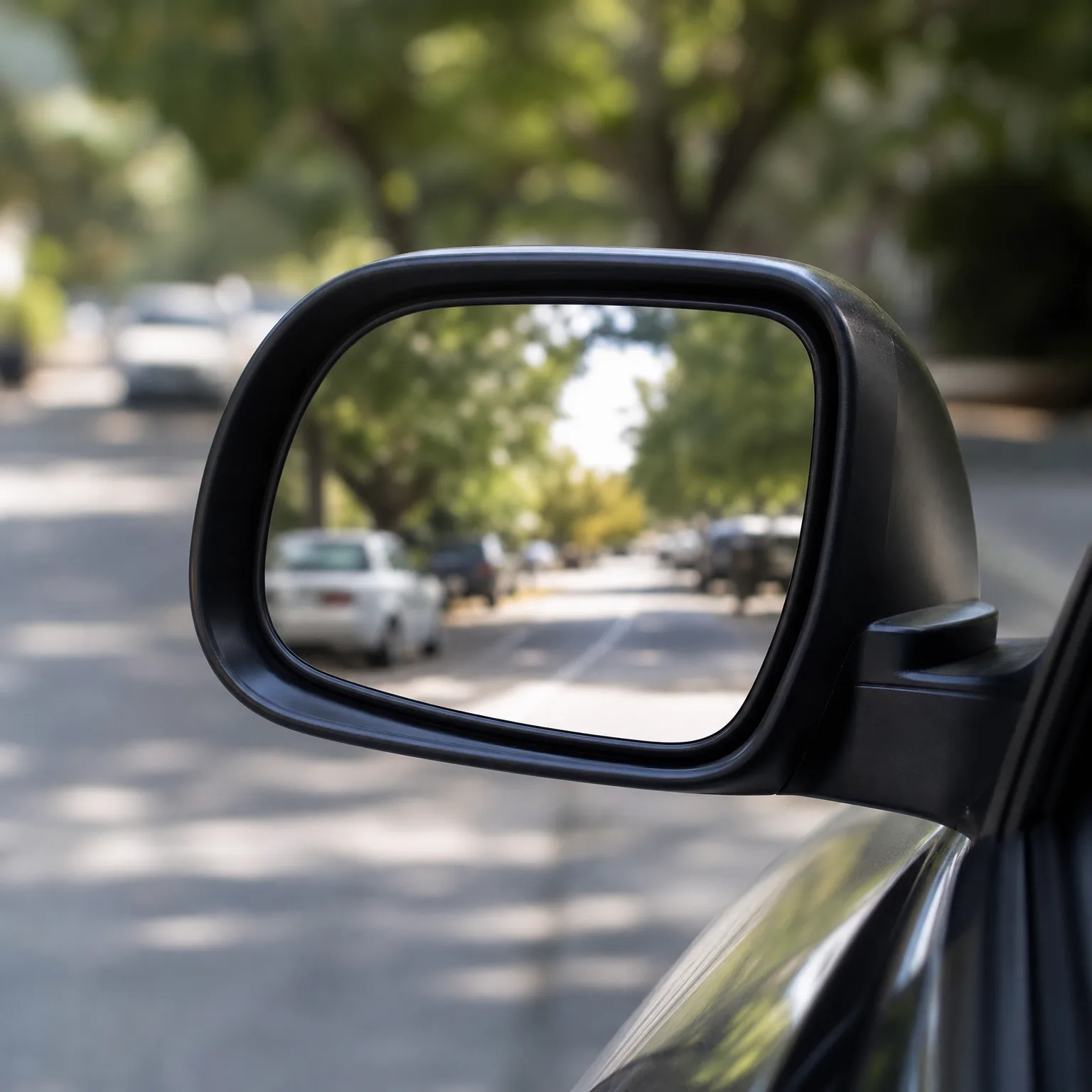
- Sudden stops and brake checks A sudden or unnecessary stop by the front driver can shift some blame their way. Note weather, traffic, and whether brake lights worked when you report the crash.
- Multi-car pileups When a chain reaction pushes one car into another, fault can split between several drivers. Get a police report so each impact is documented separately.
- Reporting it to your insurer Tell your insurer exactly where you were driving and why, especially if it was a work errand. Leaving that out can cause problems later if the claim is questioned.
- Employer notification If the trip was work-related, tell your employer or supervisor right away. Their records may matter if your insurer asks who was responsible for the vehicle's use that day.
Does it matter if I was driving for work when I got rear-ended?
It can, but not for who caused the crash. Fault is decided by what the drivers did on the road, not by why either of you was driving. What changes is which policy pays and how smoothly that goes.
If you were on a work errand, your personal insurer may ask questions about business use before paying out. This is separate from fault. The other driver's insurer still owes payment to whoever didn't cause the crash, regardless of either driver's reason for being on the road that day.
What you should do is report the crash accurately to everyone involved, your insurer and your employer, and be upfront about the trip's purpose. Trying to simplify or leave out the work angle usually causes more delay than it avoids.
Once you know who's likely at fault, compare quotes that reflect how you actually use your car.

Telling your insurer the full story about the trip
If you do
You report the crash and mention it happened while running a work errand. Your insurer may ask follow-up questions about mileage reimbursement or how often you drive for work, but your claim moves forward with accurate information on file.
If you don't
You leave out that you were driving for work. If that detail surfaces later through a mileage log, GPS, or your employer, your insurer may question the claim's accuracy, which can slow down payment or raise doubts about coverage even when you weren't at fault.
Why the rear driver almost always carries the blame
Traffic law in nearly every state builds in an assumption that drivers must leave enough distance to stop for the car ahead. This isn't about who's a better driver, it's a rule meant to make roads predictable. When a rear-end crash happens, the simplest explanation is usually that the following driver didn't leave enough room, was distracted, or misjudged the stop. That's why insurers and police default to blaming the rear driver first.
That default isn't absolute. If the front driver stopped for no reason, reversed unexpectedly, or had broken brake lights, fault can shift partly or fully onto them. Investigators look at skid marks, weather, dashcam footage if it exists, and witness statements to see if the standard assumption still holds. The presumption is a starting point, not a verdict.
For someone driving on work time, none of this logic changes. The question of who caused the crash is separate from the question of who was using the car and why. Insurers sometimes conflate the two because business use affects which policy applies, but it has no bearing on fault itself. A rear-end crash during a client visit or patient run is assessed the same way as one during a grocery trip.
Where things get more complicated is multi-vehicle pileups, where several following distances fail at once. In those cases, fault can be divided among more than one driver, and your state's rules about shared fault, which vary, will determine how any payout is adjusted. Check how your state handles shared fault, since it affects how much you can recover even when you're mostly not at fault.
Does my employer's insurance cover me if I rear-end someone while driving for work?
It depends on whether your employer carries coverage for employees using personal vehicles, which isn't guaranteed. Some employers have a policy that extends to employees on business errands, others rely entirely on the employee's personal insurance. Ask your employer directly whether such coverage exists and get it in writing if possible. If no employer coverage exists, your personal policy is what responds, and you should confirm with your insurer whether business use is covered or excluded under your current policy.
Will my insurance drop me if I get rear-ended while driving for work?
Being rear-ended, especially when you're not at fault, rarely leads to being dropped. Insurers are more focused on patterns of fault and frequency of claims than a single incident where someone hit you. What matters more is whether you disclosed business use accurately beforehand. If your policy was rated for commuting only and the insurer discovers regular work driving after a claim, they may reassess your coverage going forward, so check your policy's language on business use now rather than after a crash.
What's the difference between commuting and business use on a car insurance policy?
Commuting means driving to and from a fixed workplace, while business use covers driving as part of the job itself, like visiting clients or making deliveries. Insurers rate these differently because business use generally means more time on the road and more risk. If you regularly drive between job sites, patients, or appointments, your policy likely needs a business use classification rather than just commuting. Check your policy documents or ask your insurer directly which category your driving falls under.