Is It Worth Reporting Theft From My Car
Yes, it's almost always worth reporting, because most insurers require a police report before they'll pay a theft claim at all.
The report is what turns your loss into a claim insurers can trust
Insurers can't just take your word that someone broke into your car and took your belongings. A police report creates an independent record of what happened, when, and what was taken. Without it, many insurers will delay, question, or flatly deny the claim, because there's nothing to back up your account beyond your own statement.
This is also about what coverage applies. Theft from your car is typically handled under comprehensive coverage, which is optional and pays out regardless of fault. But comprehensive coverage usually comes with its own deductible, and insurers want documentation proving the loss was real before they pay anything above that deductible.
There's a separate question underneath this one, which is whether filing the claim is worth it financially. If what was stolen is worth less than or close to your deductible, filing a claim may cost you more in future rate increases than you'd recover. Reporting to police and filing an insurance claim are different decisions, and you can do the first without automatically doing the second.
What varies is how your state and insurer handle theft from a vehicle versus theft of the vehicle itself, and whether personal items inside are covered by your auto policy or your home or renters policy instead. Check your policy's declarations page and ask your insurer directly which policy responds to a break-in before you decide how to proceed.

What to do before you decide whether to file a claim
- File the police report first Do this regardless of whether you plan to file an insurance claim. It costs nothing, creates a record, and keeps your options open if you change your mind later.
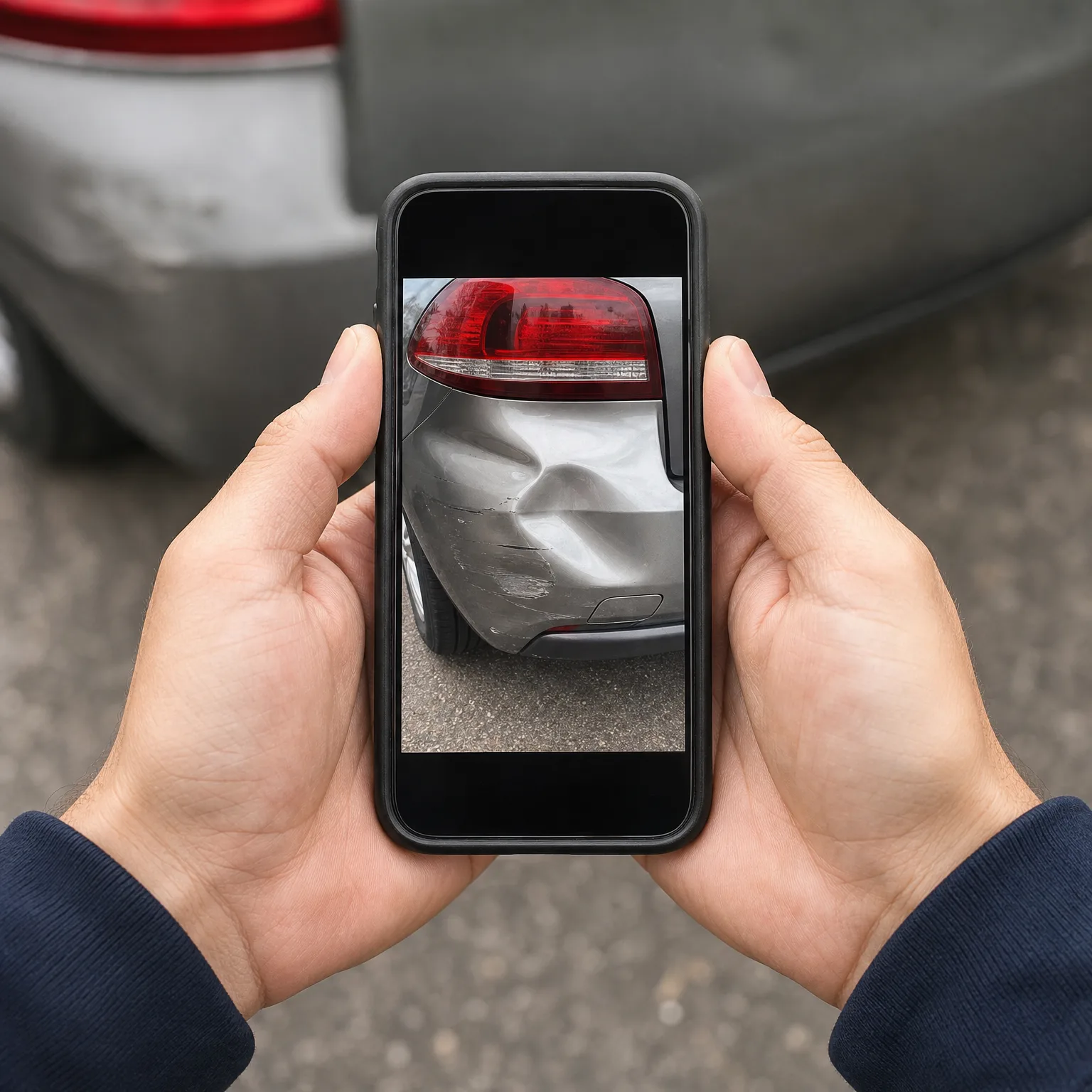
- Get a real damage estimate Broken windows, forced locks, and damaged trim can cost more to fix than the stolen items were worth. Get a repair quote before deciding if a claim makes sense.
- Check which policy covers items Items stolen from inside your car are often covered by home or renters insurance, not auto insurance. Call both insurers and compare which one actually responds.
- Compare loss against deductible If your deductible is close to or higher than what was stolen, filing may not make financial sense. Weigh the payout against the risk of a future rate increase.
- Ask how a claim affects rates Comprehensive claims affect rates differently than at-fault accidents, but rules vary by insurer. Ask directly how a theft claim would affect your specific policy.
Will filing a theft claim raise my insurance rate?
It can, but usually less than an at-fault accident would, because comprehensive claims are rated differently in most places. Many insurers treat comprehensive losses as outside your control, since you didn't cause the break-in, but that doesn't mean the claim is invisible. A pattern of multiple comprehensive claims over a short period can still push your rate up, even if each individual claim seemed minor.
What matters most is your specific insurer's rules, since this varies more than people expect. Some insurers offer accident forgiveness or claim-free discounts that comprehensive claims don't touch, while others factor in every claim regardless of type. Ask your insurer directly, before you file, how this particular claim would be treated. That answer, not a general rule, should guide your decision.
Once you know whether filing makes sense, compare quotes to see how insurers would actually price it.

Whether you file a police report
If you do
You create an official record of the break-in, which most insurers require before paying any theft claim. If you later decide the loss is worth claiming, you already have what you need. It also helps if the item turns up or the person is caught.
If you don't
You can still file an insurance claim in some cases, but many insurers will deny it outright without a report. You also lose any chance of recovering stolen property through police records. If you change your mind later, getting a report after the fact is harder and less useful.
Does comprehensive coverage pay for items stolen from inside my car?
Usually not fully. Comprehensive coverage typically pays for damage to the car itself, like a broken window or forced lock, but personal belongings like electronics or bags are often excluded. Check your policy, since some insurers offer limited personal property coverage as an add-on. Your home or renters policy may cover the stolen items instead, so call both insurers before assuming you're out of luck.
What happens if I don't know exactly when the break-in happened?
You can still file a report with your best estimate of the timeframe. Police and insurers understand that break-ins aren't always witnessed, and a reasonable window based on when you last saw your car untouched is usually acceptable. What matters more is reporting as soon as you discover it, since delays can raise questions about the claim's legitimacy regardless of when the theft actually occurred.
Can I file a claim without a police report if I have other proof?
Possibly, depending on the insurer, but it's the exception rather than the rule. Some insurers accept photos, witness statements, or security footage in place of a report, especially for minor claims. Others require the report no matter what evidence you have. Ask your insurer directly before deciding not to file, since assuming you don't need one can cost you the entire claim.