What Does Inland Marine Coverage Cover
Inland marine coverage pays to repair or replace equipment and goods while they're moving or stored away from your main location.
A technician's tools stolen from a work van overnight
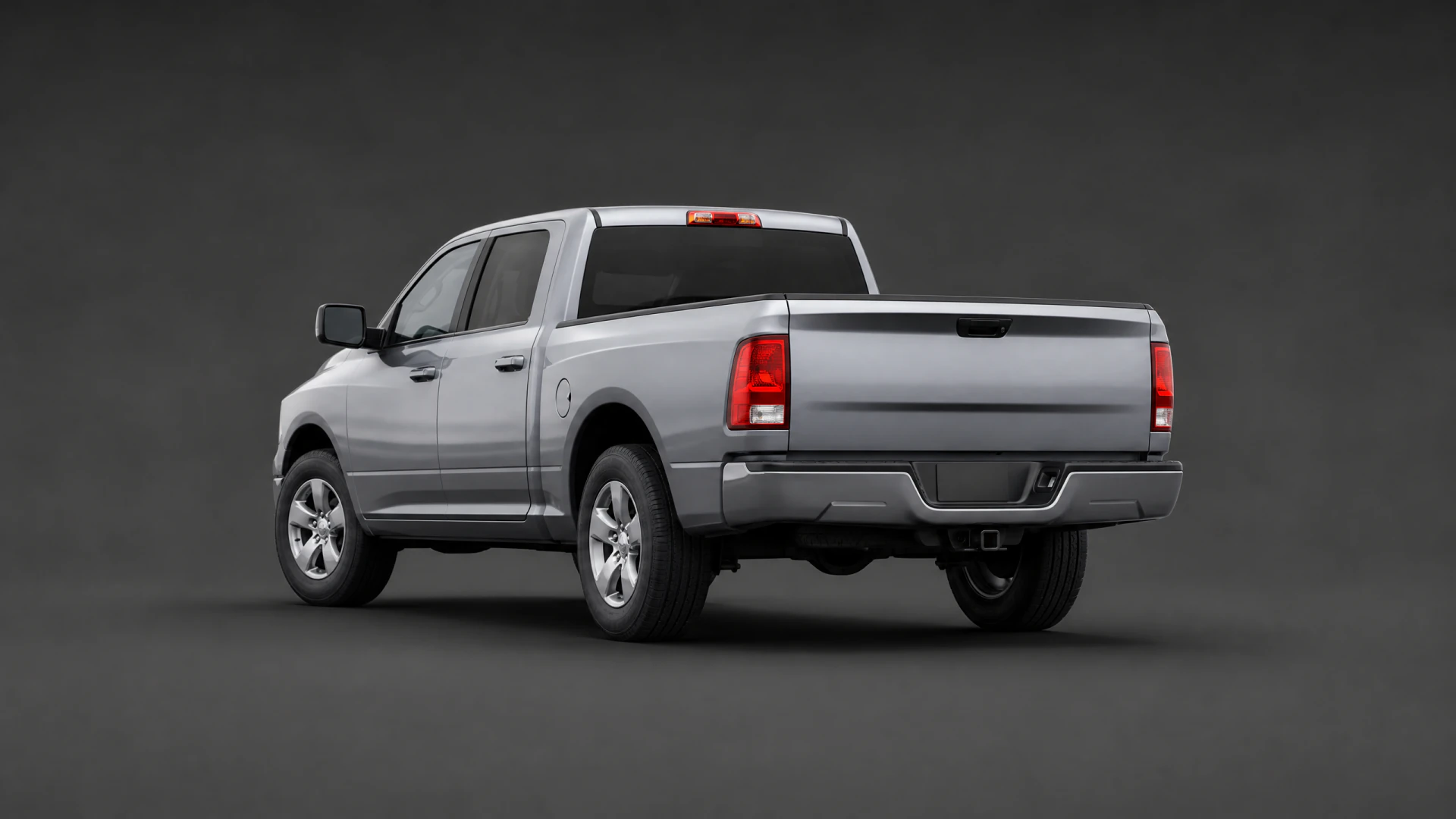
A technician who drives between job sites keeps several thousand dollars of specialized equipment in their van. One night the van is broken into outside their home, and the tools are gone. Their regular auto policy covers damage to the van itself, but it doesn't pay for the stolen equipment inside, because that's business property, not part of the vehicle.
Because their employer had set up inland marine coverage for mobile equipment, the technician filed a claim listing the stolen items with receipts and serial numbers they'd kept on file. The claim covered the cost to replace the tools so they could get back to work within days instead of waiting on savings or a loan. Without that coverage, the loss would have come entirely out of pocket, since auto and general property policies are built around fixed locations and vehicles, not equipment that travels.
The short version
Inland marine coverage protects portable equipment, tools and goods while they're in transit or stored away from your main location. Regular property insurance only covers things at a fixed address, and auto insurance only covers the vehicle itself. If your work involves equipment that moves with you, ask whether it's covered under inland marine, not just general property or auto.
Does my regular business or auto policy already cover moving equipment?
Usually not fully. A standard business property policy is written around a fixed address, so it protects what's inside your building but often excludes or limits items once they leave. A standard auto policy covers the vehicle and sometimes a narrow amount of cargo, but it wasn't designed to protect specialized tools, inventory or client property you're transporting or storing elsewhere.
That gap is exactly what inland marine coverage fills. It's written specifically for property that moves, whether that's equipment carried between job sites, goods in transit, or items temporarily stored off-site. If your work depends on anything valuable that isn't anchored to one building, it's worth checking whether that property is actually covered anywhere, or whether it's been assumed to be covered and isn't.
Now that you know what needs separate coverage for moving equipment, compare quotes built around how you actually work.

Is inland marine coverage the same as cargo insurance?
They overlap but aren't identical. Cargo insurance is a narrower type of inland marine coverage focused specifically on goods being shipped or transported, often by a carrier. Inland marine is the broader category that also covers equipment, tools, and property in storage or at job sites, not just items in transit. Check your policy's definitions, since insurers vary in how they draw this line, and ask specifically whether your situation counts as cargo, storage, or general mobile equipment.
Does inland marine coverage include equipment I rent to use temporarily?
Often yes, but confirm it directly, since this varies by insurer and policy. Many inland marine policies extend to equipment you've rented or borrowed for a job, not just property you own outright. The rental agreement itself may also specify insurance requirements. Check both your policy and the rental contract before you take possession of expensive equipment, so you know who's responsible if it's damaged, lost, or stolen while in your care.
How do I know how much coverage to buy for my equipment?
Base it on the real replacement cost of everything you carry or store off-site, not what you originally paid. Make a list of tools and equipment with current replacement values, and update it as you buy or sell items. Underinsuring is common because people forget accumulated small purchases add up. Ask your insurer how they handle replacement cost versus actual cash value, since that affects what you'd actually receive after a loss.
If your equipment travels with you, treat it as uninsured until you've confirmed what actually covers it.