What to Do if a Coworker Hits Your Car
The coworker who hit your car is responsible, and their auto insurance is almost always what pays, not your employer's.
A fender bender in the employee lot
You come out at lunch and find a new dent and a scraped bumper. A coworker says they backed into you while leaving their spot. No supervisor saw it happen, and it happened on company property, so your first instinct might be to loop in HR instead of exchanging insurance information. That instinct is understandable, but it slows things down without changing who actually pays.
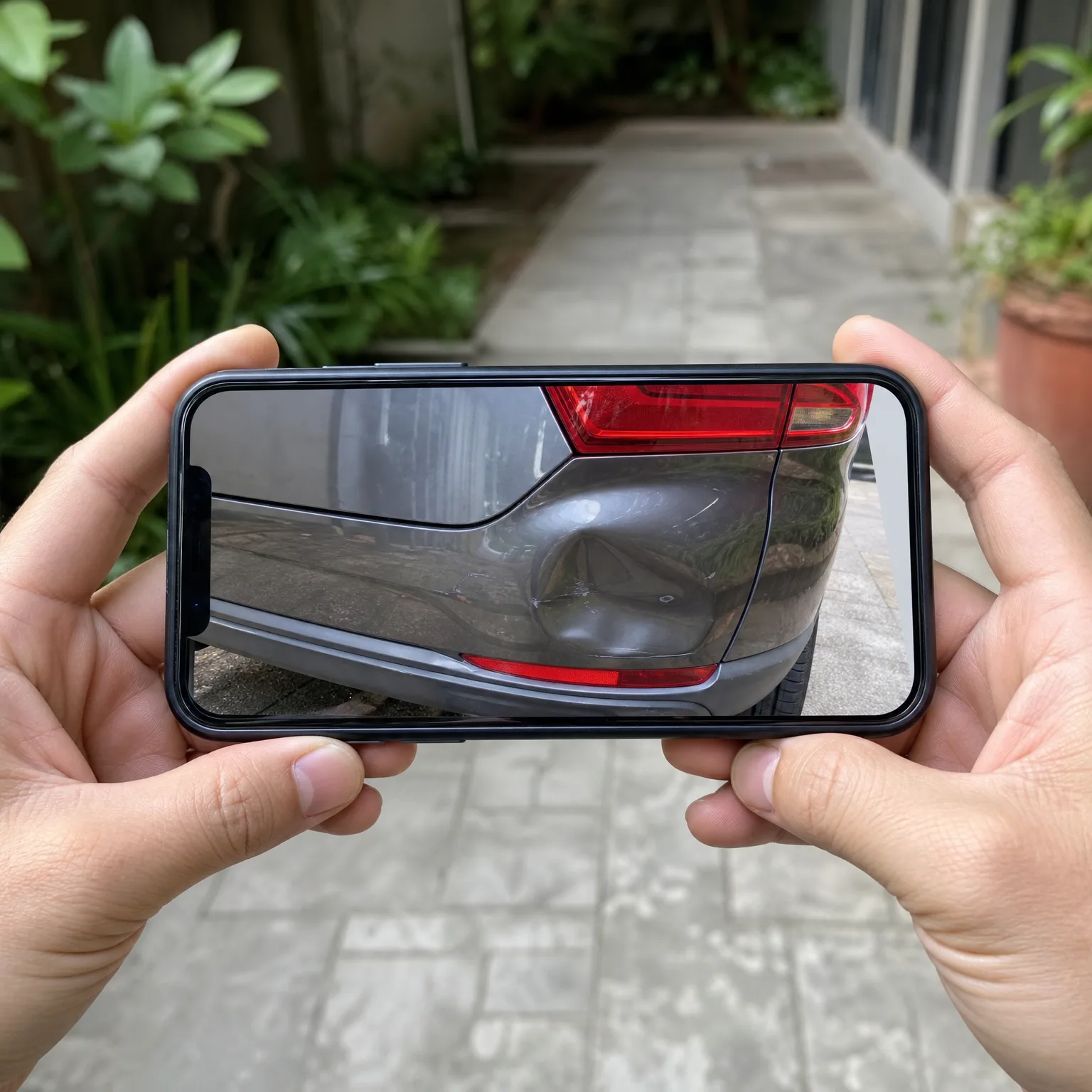
You take photos of both cars, the damage, and where they were parked relative to each other. You get your coworker's name, phone number, license plate, and insurance company, the same way you would with any stranger. You tell your own insurer what happened the same day, even though you weren't the one who caused the damage, because they'll want the information on file. Your coworker's insurer opens a claim, their adjuster calls you within a few days, and the repair gets scheduled once liability is confirmed. The fact that you worked together never changes whose policy pays.
What if my coworker says work accidents aren't covered by their insurance?
That's rarely true, and you shouldn't take their word for it. Most personal auto policies cover accidents anywhere the car is driven or parked, including an employer's lot, unless the car is specifically used for business deliveries or rideshare, which is a different situation.
If your coworker is stalling or claiming their policy excludes it, file the claim yourself through your own insurer's uninsured motorist or collision coverage if you have it, and let the insurers sort out reimbursement between themselves. You don't have to wait on your coworker to be honest about their coverage. Ask your coworker for their insurance company name directly, and if they won't give it, that's information your own insurer can still work with.

Once you know whose policy pays, compare quotes to make sure your own coverage would back you up next time.

Whether you file through your coworker's insurer or your own
If you do
You file a claim with whichever insurer applies and get a claim number, a timeline, and someone responsible for answering questions. You have documentation if the repair takes longer than expected or if new damage shows up. You're protected if your coworker later changes their story.
If you don't
You rely on a verbal promise to pay out of pocket or a vague plan to "sort it out later." If your coworker stops responding or the damage turns out worse than it looked, you have no claim number, no adjuster, and no paper trail to fall back on.
What actually determines who pays and how smoothly it goes
- Fault, not workplace Whoever caused the accident is responsible, the same as if it happened anywhere else. Working together doesn't shift liability or create any special workplace insurance rule.
- Get their insurance info Treat it like any accident and get your coworker's name, plate, and insurer before you leave the lot. Don't rely on HR or a supervisor to collect this for you later.
- Tell your own insurer too Report the accident to your insurer even though you didn't cause it, so you have a record on file. This matters if the other side delays or disputes anything.
- Photograph everything on site Take pictures of both vehicles, the damage, and their position before either car moves. This protects you if fault becomes a disagreement later.
- Keep HR separate from the claim Tell your employer if policy requires it, but don't expect them to pay or get involved in the insurance claim. Workplace policy and insurance liability are two different things.

Treat it like a stranger hit your car, because once insurance gets involved, that's exactly what it is.